Home » Services » Cataract Surgery
Cataract Surgery
Cataract Surgery
A cataract is a clouding of the natural lens resulting in blurry vision, as well as symptoms of glare, halos, or double vision (“ghosting”). Cataracts are a normal change with age; some doctors liken getting cataracts to “getting grey hair”. No nutritional supplements or eye drops have been found to stop or slow cataracts. Some risk factors for developing cataracts earlier than other patients include a history of diabetes, trauma to the eye, inflammation in the eye, or frequent use of oral or topical steroids such as prednisone.
When considering cataract surgery, keep these questions in mind:
- Can you see to safely do your job and to drive?
- Do you have problems reading or watching television?
- Is it difficult to enjoy your hobbies or perform your tasks in the home?
- Do vision problems affect your level of independence?
- Do bright lights make it more difficult to see?
- Has your doctor recommended cataract surgery because it is interfering with the treatment of another eye problem?
Cataract Surgery Procedure
Cataract surgery is often not an emergency. Other than impaired vision, cataract patients rarely suffer any other symptoms. In most cases, the time for surgery is when a cataract is causing blurry vision to the point that the patient is having difficulty performing the visual tasks they need or like to do. While surgery may seem daunting, cataract surgery at Nashua Eye Surgery Center is extremely advanced and can be a very easy experience for our patients.
Cataract surgery is performed at the Nashua Eye Surgery Center, conveniently located on the ground floor of the main Nashua Eye office. The surgery center is fully accredited and is a dedicated eye surgery facility. The highly skilled nursing staff and anesthetists work exclusively with eye patients and provide a calm and caring environment.
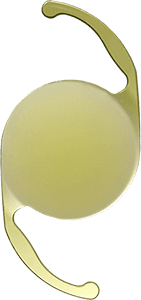
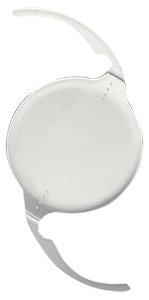
Cataract surgery has evolved enormously over the past 20 years. The cloudy cataract lens is removed from the eye and replaced with a clear implant. The implants, in particular, have undergone remarkable technological improvements. Implants at Nashua Eye Center in New Hampshire can now be tailored to a patient’s specific vision problems and goals.
Preparing For Your Cataract Surgery
Prior to surgery, you will have a pre-surgical evaluation where measurements will be taken of your eyes and you will arrange for a surgical date.
The surgery center will call you 2-3 days prior to your surgical date with the specific time to arrive at the center. You will be instructed not to eat or drink anything after midnight prior to surgery. In most cases, you will be advised to take your usual essential morning medications with a sip of water. Let your surgeon know if you take any medications for prostate problems, as some of these drugs can interfere with cataract surgery.
On the day of surgery, you will need a driver to bring you to and from the Nashua Eye Surgery Center. Please expect to be at the center for at least 2 hours to allow for plenty of time for paperwork, dilation drops, surgery and recovery. When you return home, arrange for help around the home because your doctor may limit certain activities during the post-operative healing phase.
After cataract surgery, expect your vision to begin improving within a few days. Your vision may be blurry at first as your eye heals and adjusts. It’s normal to feel itching and mild discomfort for a couple of days after surgery. Avoid rubbing or pushing on your eye.
Cataract Lens Options
At Nashua Eye Associates, we offer access to the latest advances in lens implant technology (including lenses from Alcon, Johnson and Johnson, and Bausch and Lomb). Because every patient’s visual needs are unique, we recommend a personalized consultation with your cataract surgeon to discuss which options are right for you.
If you have been considering cataract surgery but still have questions or concerns, our doctors at Nashua Eye Center in New Hampshire are here to help. Call Nashua Eye Center today to schedule your cataract consultation!
Cataract Articles
Cataract surgery is the most commonly performed operation in the world. In the United States alone, in 2021, 4 million cataract surgeries were performed. Major improvements in technology and technique have allowed for vast improvements in results and safety over the last three decades. What is a Cataract? A cataract is a normal change in the…